Bridging the Gap Between Reality GFX Maker gives creators a practical way to turn simple ideas into polished, realistic visuals. It brings together AI tools, design skill, scene planning, lighting, texture, depth, and smart editing.
For USA creators working on YouTube, gaming, e-commerce, marketing, or social media, this approach can make content feel more professional and more engaging. GFXMaker.com Smart also gives creators a practical workflow for combining realistic visuals with modern AI-assisted design.
The best results come from balance. Use technology, but don’t let it do all the thinking. Study real images. Keep designs clean. Match lighting. Build strong scenes. Use readable text.
With practice, a reality GFX maker becomes more than a tool. It becomes a creative bridge between imagination and real-looking digital art.
The idea behind GFXMaker.com Smart is simple. It combines real-world inspiration with digital editing, AI support, lighting control, 3D effects, textures, and clean design choices. Instead of making graphics that look flat or overly artificial, the workflow focuses on creating visuals with greater depth, realism, and creative flexibility.
This guide explains what Bridging the Gap Between Reality GFX Maker means, why it matters, how it works, and how you can use it for better digital content creation. You will also learn practical tips, common uses, beginner advice, and a clear comparison with traditional design tools.
What Is GFXMaker.com Smart?
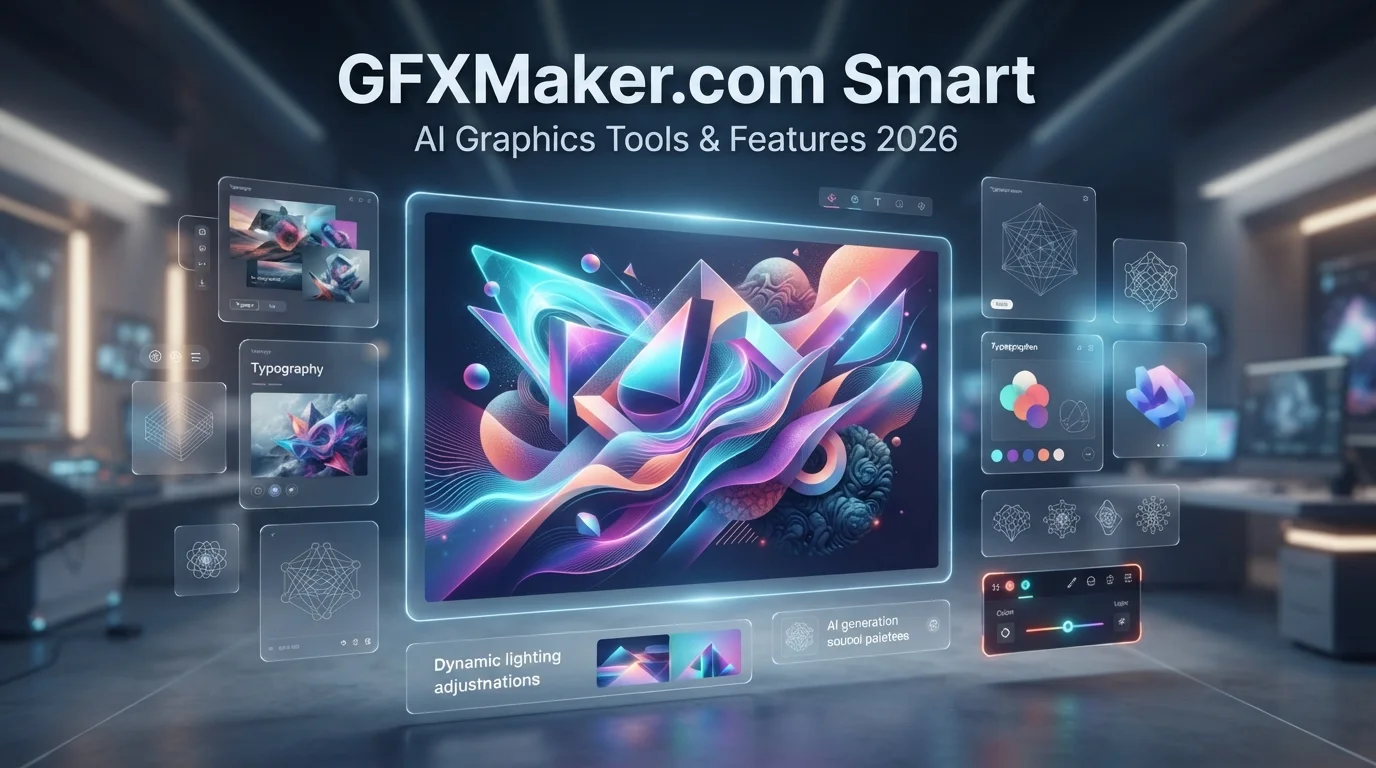
GFXMaker.com Smart refers to modern graphics workflows that combine AI-assisted design, realistic visual effects, image editing, and creative tools for digital content. It connects imagination with realism. A realistic graphics maker helps you add natural lighting, shadows, textures, perspective, and visual depth. Instead of making a flat image, you create something that feels almost touchable, like a photo, product scene, movie frame, or gaming poster.
A reality GFX maker can be an AI graphics maker, a graphic editing platform, a 3D tool, or a full creative workflow. The purpose is to create realistic visual designs from ideas, photos, prompts, or design assets. It helps creators build real-world inspired graphics that look more believable than basic edits. That is why the phrase bridging reality and graphics fits this concept so well.
Why Reality-Based GFX Design Is Becoming Popular
Reality-based design is growing because people now expect better visuals online. In the USA, users see high-quality ads, cinematic reels, polished thumbnails, and professional product images every day. Simple graphics often look weak next to them. A digital graphics creator who uses realistic image editing can create designs that feel more modern, more useful, and more attractive to the viewer.
Another reason is access. Years ago, realistic design needed costly software, expert skills, and long hours. Now, an online GFX maker, visual design software, or creative design tool can help beginners move faster. Tools like Adobe Firefly and Canva AI photo editing show how AI-powered visual editing is becoming part of normal creative work. The result is a more realistic design experience for everyday creators.
Key Features of Bridging the Gap Between Reality GFX Maker
A strong Bridging the Gap Between Reality GFX Maker workflow includes realistic lighting, natural shadows, sharp textures, smart background blending, color grading, and scene depth. These features matter because realism depends on small visual signals. If the shadow looks wrong, the whole design feels fake. If the texture looks flat, the image loses trust. Good realistic textures and lighting can change everything.
The best tools also support AI editing, object removal, image enhancement, layer control, and custom visual effects creation. A modern GFX editing software setup may also include 3D elements, cinematic filters, and smart resizing for different platforms. These features help you enhance digital images and create a high-quality graphic output without rebuilding every design from zero.
| Feature | Why It Matters | Best Use |
| Realistic lighting | Makes visuals feel natural | Product scenes and posters |
| Texture control | Adds surface detail | Fashion, gaming, e-commerce |
| AI editing | Speeds up design work | Social content and ads |
| 3D depth | Adds lifelike space | Gaming and cinematic graphics |
| Smart export | Fits each platform | YouTube, Instagram, websites |
How Bridging the Gap Between Reality GFX Maker Works
GFXMaker.com Smart works by starting with an idea and shaping it into a realistic digital scene. First, you decide what the graphic should show. Then you choose a subject, background, lighting mood, colors, and final format. This process helps you turn ideas into digital graphics with a clearer purpose instead of guessing as you design. First, you decide what the graphic should show. Then you choose a subject, background, lighting mood, colors, and final format. This process helps you turn ideas into digital graphics with a clearer purpose instead of guessing as you design.
After that, you build the image using an image manipulation tool, AI prompts, photo assets, 3D objects, or manual editing. You adjust shadows, scale, reflections, contrast, and colors until everything feels connected. This is where modern graphic design technology becomes powerful. It allows you to design photo-realistic images that look less like random edits and more like finished professional visuals.
Benefits of Using Reality GFX Maker for Digital Creators
A reality GFX maker helps digital creators produce stronger visuals with less friction. You can create thumbnails, ads, posters, product graphics, and social posts without booking a studio or hiring a full creative team.
For a freelancer, YouTuber, small business owner, or student, this can save time and money while improving the look of every project.
The biggest benefit is visual trust. When your image looks real, people understand the message faster. A clean product mockup can make a buyer feel more confident. A cinematic thumbnail can make a viewer curious. A polished gaming poster can make a brand look serious. That is why graphic design for creators now depends on creative visuals for online content that feel sharp, clear, and believable.
Best Uses of Bridging the Gap Between Reality GFX Maker
Bridging the Gap Between Reality GFX Maker works well for many online projects. A YouTube thumbnail maker can use it to create dramatic faces, glowing backgrounds, readable text, and cinematic contrast. A brand can use it for social media graphics, ad creatives, product launches, and website banners. A gamer can use a gaming graphics maker for esports posters, character art, and event graphics.
It also works for e-commerce, education, digital art, and content marketing. For example, a clothing seller can show a hoodie in a realistic city scene without arranging a photo shoot. A tech blogger can create futuristic visuals for an article. A digital art generator can also help artists explore styles, scenes, and moods. In each case, the goal is to generate immersive graphics that match the audience’s expectations.
GFXMaker.com Smart vs Traditional Graphic Design Tools
Traditional design tools focus on layouts, typography, colors, shapes, and manual editing. They are still useful for logos, flyers, brochures, and brand kits. However, GFXMaker.com Smart focuses on modern visual creation, combining AI support with depth, lighting, shadows, textures, and scene-building to create graphics that feel closer to realistic photos or cinematic frames.

A traditional tool may help you create a clean poster. A realistic graphics maker helps you create a poster that feels like a real scene. That difference matters when you need emotion, product realism, or visual drama. Still, both approaches can work together. A professional GFX workflow often uses traditional design principles with advanced GFX creation tool features.
| Design Area | Reality GFX Maker | Traditional Design Tools |
| Main focus | Realistic scenes and effects | Layout and brand design |
| Best for | Ads, thumbnails, gaming, mockups | Logos, flyers, documents |
| Skill demand | Low to advanced | Low to professional |
| Visual style | Realistic and cinematic | Flat, clean, or illustrative |
| AI use | Often strong | Depends on the tool |
| Output goal | Lifelike visual impact | Clear visual communication |
Is Bridging the Gap Between Reality GFX Maker Easy for Beginners?
Yes, Bridging the Gap Between Reality GFX Maker can be easy for beginners when they start small. You don’t need to master every advanced setting on day one. Begin with simple scenes, clear backgrounds, good lighting, and readable text. Many tools now support easy graphics editing for beginners, which helps new creators learn through templates, presets, and AI suggestions.
The challenge starts when you want professional realism. Beginners often use too many effects, mix different light directions, or place objects without shadows. These mistakes make designs look fake. To improve, focus on scale, contrast, font choice, and clean composition. A good GFX design tool helps, but your eye for detail matters too. Realism is not magic. It is careful observation.
Tips to Create Better Realistic GFX Designs
Better realistic design starts with reference images. Before using any AI graphics maker, study real photos related to your idea. Look at shadows, background blur, object size, camera angle, and color tone. These details help you create realistic visual designs that don’t feel random. The more you observe reality, the easier it becomes to recreate it digitally.
Also, keep your design clean. Do not add too many flares, glows, stickers, or heavy filters. Real life has imperfections, soft shadows, texture changes, and natural lighting. Good cinematic graphics design uses restraint. Use high-resolution assets, match the light source, keep text readable, and test the design on mobile. This improves digital content creation for real users, not just large screens.
Final Thoughts on Bridging the Gap Between Reality GFX Maker
GFXMaker.com Smart is more than a trendy approach to digital graphics. It describes the shift from simple graphic editing to realistic visual storytelling. A creator can now use an online GFX maker, visual design software, AI tools, 3D effects, and smart editing to build graphics that feel closer to real life. This helps brands, creators, gamers, and marketers communicate faster.
If you want better visuals, start with one goal. Make your lighting more natural. Improve your textures. Choose better backgrounds. Keep your text readable. Then build from there. The best Bridging the Gap Between Reality GFX Maker workflow does not replace creativity. It supports it. It helps you blend reality with digital art and produce images that feel clear, useful, and memorable.
FAQs About Bridging the Gap Between Reality GFX Maker
What does Bridging the Gap Between Reality GFX Maker mean?
Bridging the Gap Between Reality GFX Maker means using digital tools, AI editing, lighting, textures, and realistic effects to make graphics look closer to real-world visuals. It helps you create images that feel more natural, detailed, and professional.
Is a reality GFX maker useful for beginners?
A reality GFX maker can be useful for beginners because many tools now offer templates, AI help, presets, and simple editing controls. Beginners can learn faster by creating small designs first, then improving lighting, shadows, and composition.
Can I use Bridging the Gap Between Reality GFX Maker for YouTube thumbnails?
Yes, Bridging the Gap Between Reality GFX Maker is useful for YouTube thumbnails because it helps create stronger faces, bold scenes, dramatic lighting, readable text, and more clickable visuals. A good YouTube thumbnail maker can improve the first impression of your video.
What is the difference between a GFX design tool and a normal photo editor?
A GFX design tool usually focuses on creative composition, effects, typography, scene-building, and visual storytelling. A normal photo editor may focus more on fixing or improving existing photos. Some modern tools now combine both features.
Does realistic GFX design require expensive software?
Realistic GFX design does not always require expensive software. Many online platforms, AI tools, and beginner-friendly editors can help you create strong visuals. However, advanced work may still need professional tools, better assets, and more design practice.
Why does realistic image editing matter for online content?
Realistic image editing matters because people judge visuals quickly. A polished image can make your content look more trusted, modern, and worth clicking. This is important for ads, blogs, product pages, thumbnails, and social posts.
Can a digital art generator replace a human designer?
A digital art generator can help with ideas, drafts, scenes, and quick variations, but it does not fully replace human judgment. Good design still needs taste, message clarity, audience understanding, and careful editing.
What makes photo-realistic graphics look believable?
Photo-realistic graphics look believable when the lighting, shadows, textures, perspective, scale, and color tone match. If one element feels out of place, the viewer may notice it quickly.
Conclusion
Bridging the Gap Between Reality GFX Maker gives creators a practical way to turn simple ideas into polished, realistic visuals. It brings together AI tools, design skill, scene planning, lighting, texture, depth, and smart editing. For USA creators working on YouTube, gaming, e-commerce, marketing, or social media, this approach can make content feel more professional and more engaging. GFXMaker.com Smart also gives creators a practical workflow for combining realistic visuals with modern AI-assisted design.
The best GFXMaker.com Smart results come from balance. Use technology, but don’t let it do all the thinking. Study real images. Keep designs clean. Match lighting. Build strong scenes. Use readable text. With practice, a reality GFX maker becomes more than a tool. It becomes a creative bridge between imagination and real-looking digital art.
For more amazing blogs keep visiting The Tek Zio.


